Switzerland's Gaming Oversight and Its Influence on Roulette Variants in Regulated Table Environments
Geschrieben von Drew Sullivan · 31.10.2026
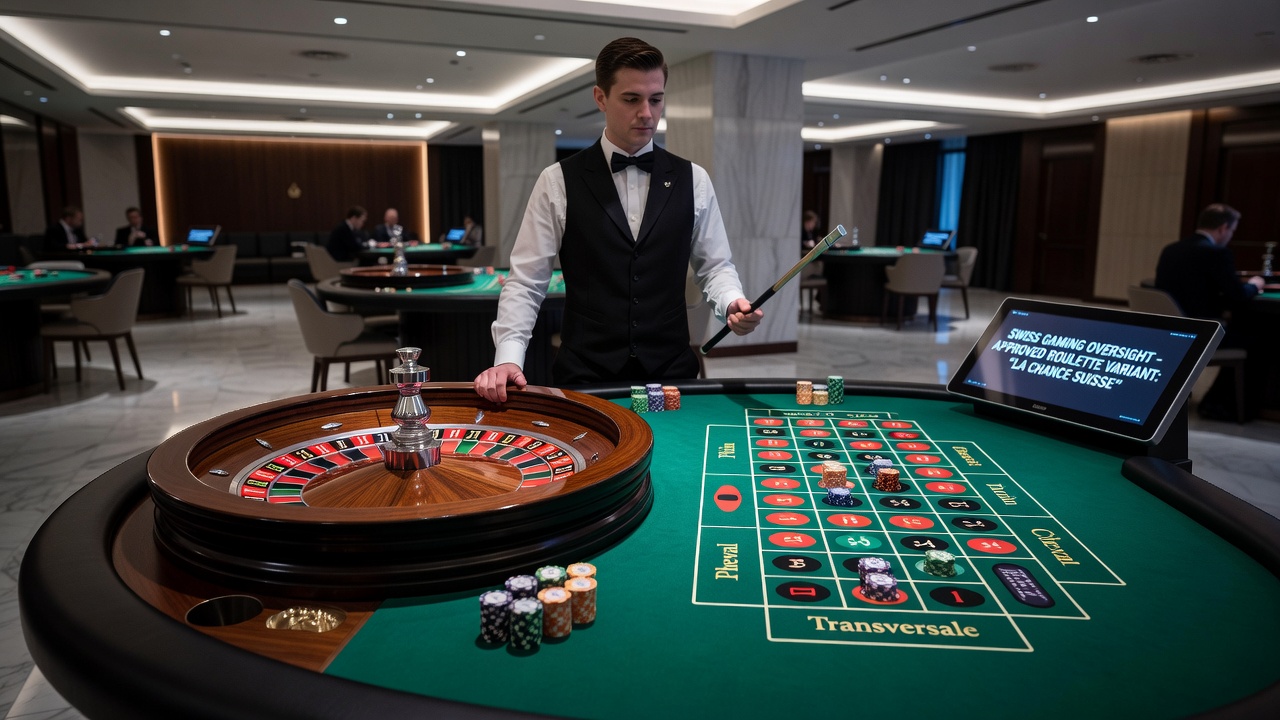
Switzerland's Gaming Oversight and Its Influence on Roulette Variants in Regulated Table Environments
Switzerland operates a centralized system of casino supervision through the Federal Gaming Board, known as the ESBK, and this body reviews every table game configuration before any variant reaches licensed play. The process requires operators to submit detailed wheel specifications, payout tables, and surveillance protocols, which means roulette offerings stay limited to formats that align with federal standards on house edge and player protection measures. European-style wheels with a single zero dominate approved environments, whereas double-zero American variants receive no authorization in these regulated spaces. Data collected from licensed venues shows consistent application of these rules across the thirteen permitted casinos. Observers note that each location must maintain identical core mechanics for roulette, including minimum and maximum bet thresholds that the ESBK adjusts periodically based on economic indicators. This uniformity reduces regional differences while still allowing operators limited flexibility in side-bet options that pass separate compliance checks.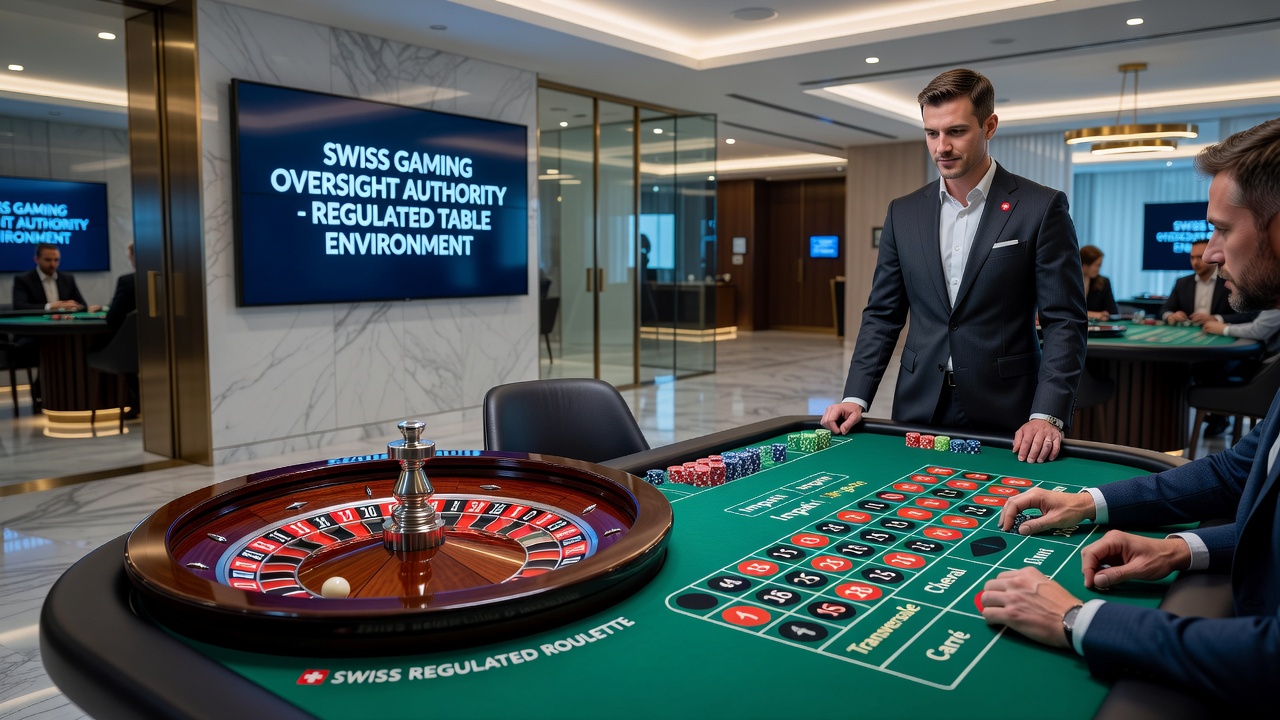
Switzerland operates a centralized system of casino supervision through the Federal Gaming Board, known as the ESBK, and this body reviews every table game configuration before any variant reaches licensed play. The process requires operators to submit detailed wheel specifications, payout tables, and surveillance protocols, which means roulette offerings stay limited to formats that align with federal standards on house edge and player protection measures. European-style wheels with a single zero dominate approved environments, whereas double-zero American variants receive no authorization in these regulated spaces. Data collected from licensed venues shows consistent application of these rules across the thirteen permitted casinos. Observers note that each location must maintain identical core mechanics for roulette, including minimum and maximum bet thresholds that the ESBK adjusts periodically based on economic indicators. This uniformity reduces regional differences while still allowing operators limited flexibility in side-bet options that pass separate compliance checks.Approval Mechanisms for Table Variants
Before any roulette variant enters a live dealer setting, the ESBK conducts technical evaluations that cover random number integrity, wheel balance, and dealer training records. Operators submit documentation that demonstrates how new betting layouts will not exceed established return-to-player thresholds, and approvals typically follow multi-month review cycles. Those who have studied the process find that even minor changes, such as adding a racetrack betting section, trigger full re-examination rather than streamlined updates. In October 2026 the board released its annual compliance summary, which included statistics on variant submissions and highlighted a modest increase in requests for French roulette adaptations with la partage rules. Figures reveal that twenty-two such proposals reached final review that year, though only eight secured clearance after demonstrating strict adherence to zero-pocket payout adjustments. The report further documented that all approved tables underwent independent laboratory testing before installation.Operational Standards in Live Environments
Regulated casinos must integrate real-time monitoring systems that track every spin outcome against expected probabilities, and these logs feed directly into ESBK databases for periodic audits. Staff training programs emphasize adherence to approved procedures, which prevents on-the-fly modifications that could alter game mathematics. Researchers from gaming technology institutes have documented how such oversight correlates with lower variance in reported dispute rates compared with less structured jurisdictions. Casino operators coordinate with federal inspectors during routine inspections that occur at least quarterly, and these visits include physical verification of wheel seals alongside digital record reviews. When discrepancies appear, venues face mandatory suspension of the affected table until corrections receive sign-off. This structure keeps roulette variants stable while still permitting incremental updates that meet evolving technical criteria.